
In this article, we provide a comprehensive guide to the various types of translation, their methodologies and the best way to obtain each service from certified translation offices in UAE. Our goal is to help you achieve the best possible results with the assistance of professional language specialists.
What Is Translation?
Translation is the process of transferring information, ideas and texts of various types from their original language into a target language. The primary objective is to accurately convey the intended meaning and message of the original text without alteration or distortion.
The most important types of translation in UAE require a deep understanding of the source text, followed by the selection of equivalent meanings, terminology and expressions in the target language. The translator shall also maintain the same style used in the original text, whether formal or informal.
The person responsible for providing translation services is the translator. A translator may be certified and specialized or may work as a general translator. The choice depends on your specific requirements, whether the translation is intended for personal use or official purposes.
What Is the Importance of Translation in UAE?
The importance of translation in UAE can be summarized as follows:
Exchange of Ideas
Translation facilitates the exchange of ideas, events, facts and knowledge among individuals, scientists, writers and historians. This helps connect people and cultures more effectively.
Better Communication
Translation creates stronger communication between people in UAE. Without translation, understanding written or spoken content in different languages would be extremely difficult, making communication nearly impossible.
Supporting Development
Because translation promotes communication and the exchange of ideas, it contributes significantly to advancement in fields such as science, technology, journalism, education and many others.
Facilitating Travel
Translation helps individuals travel to other countries by ensuring that their official documents are understandable and accepted by authorities worldwide.
Translation is much more than a linguistic tool. It serves as a bridge connecting civilizations and cultures, enabling the sharing of knowledge and discoveries without barriers. This is why translation has become one of the most important means of global communication in the modern era.
What Are the Types of Translation?
Major Types of Translation in UAE
Translation can be categorized according to the needs of the client. The two most common types are written translation and interpreting.
Written Translation
Written translation involves transferring written texts from one language to another or into multiple languages. Specialized translators analyze and fully understand the original content before accurately translating it into the target language.
Interpreting
Interpreting, often referred to as oral or spoken translation, involves translating spoken language in real time. Interpreters shall possess excellent listening and communication skills in both the source and target languages. They shall also understand the subject matter being discussed to ensure accurate interpretation.
Types of Translation by Method
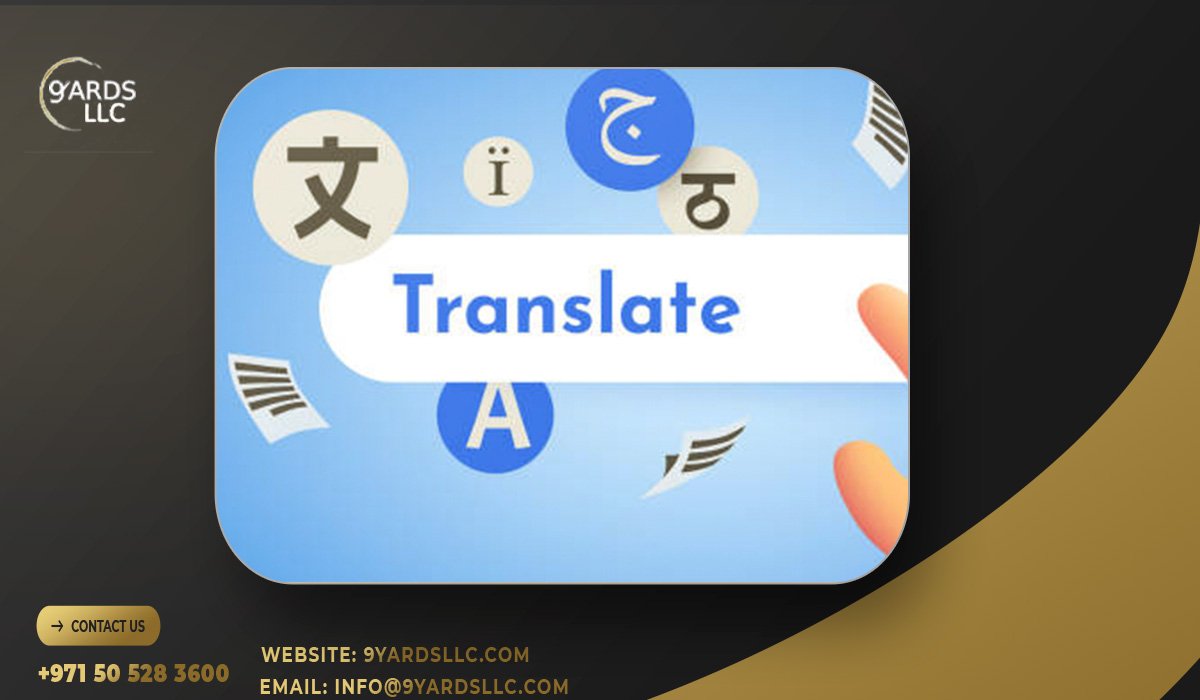
After discussing the main translation categories, let us examine translation methods. Translation generally falls into three primary approaches:
Literal Translation
Literal translation follows the original text as closely as possible by directly transferring vocabulary, sentence structures and expressions without significant modification.
Free Translation
Free translation focuses on conveying the general meaning and intended message rather than preserving the exact wording or structure of the source text.
Semantic Translation
Semantic translation is similar to free translation but places greater emphasis on balancing the intended meaning of the original text with the natural style and expression of the target language.
Types of Translation by Specialization
Translation covers a wide range of specialized fields, each with its own terminology and linguistic requirements. The most common specializations include:
- Legal translation and court translation.
- Medical translation.
- Literary translation.
- Commercial translation.
- Financial translation.
- Military translation.
- Scientific translation.
- Academic translation.
- Marketing translation.
- Tourism translation.
- Technical translation.
- Media translation.
Each specialization requires unique expertise. For example, a legal translator cannot effectively translate highly specialized medical content without sufficient medical knowledge and vice versa. Using the wrong specialist may result in serious translation errors and inaccurate meanings.
Types of Translation by Medium
Translation can also be classified according to the medium through which content is delivered:
Written Translation
This involves translating written content using the expertise of professional translators, often supported by dictionaries, glossaries and reference materials.
Simultaneous Interpretation
This refers to spoken translation delivered in real time. Interpreters often use specialized equipment such as interpretation booths, headsets, microphones and transmission systems.
Audiovisual Translation
Audiovisual translation focuses on media content that combines sound and visual elements, such as dubbing, subtitling films, television series, documentaries and multimedia productions.
Comparison of Translation Types
The following comparison highlights the differences between the major translation categories:
Written Translation
Written translation involves translating written content from one language into another or multiple languages. It may be certified or non-certified depending on the purpose of the documents.
Examples include:
- Book translation.
- Article translation.
- Research paper translation.
- Report translation.
- Official document translation.
Interpretation
Interpretation involves translating spoken language into one or more target languages. It includes:
- Simultaneous interpretation.
- Consecutive interpretation.
- Whispered interpretation.
Examples include:
- Conference interpretation.
- Exhibition interpretation.
- Meeting interpretation.
- Festival interpretation.
Audiovisual Translation
Audiovisual translation focuses on spoken and visual media content and is commonly associated with the media and entertainment industries.
Examples include:
- Film translation.
- Television series translation.
- Documentary translation.
- Talk show translation.
- News translation.
Difference Between Certified Translation and Standard Translation
There is a significant difference between certified and standard translation.
Certified Translation
Certified translation is a form of written translation specifically intended for official documents and records. Its purpose is to secure recognition and acceptance by official authorities such as embassies, ministries, courts and government institutions.
Certified translations are completed by authorized translators working through accredited translation offices or officially recognized certification bodies. These translations include the translator’s signature and the official stamp of the translation office to verify authenticity and accuracy.
Standard Translation
Standard translation refers to the translation of texts without official certification. The goal is usually personal understanding or informal use.
Standard translations may be performed by general translators or generated using machine translation tools. However, they are not accepted for official purposes and cannot be used for government procedures, legal matters or other formal transactions.
How Do You Choose the Right Type of Translation?
Selecting the appropriate translation service depends on several factors:
- Determine the purpose of the translation, whether it involves a document, event, audiovisual content or another format.
- Identify the nature of the content, such as legal, medical, literary, technical or commercial material.
- Verify the requirements of the receiving authority to determine whether a certified and stamped translation is necessary.
- The more specialized and complex the content is, the greater the need for a professional translator with expertise in that specific field.
By understanding the different types of translation and their applications, you can make informed decisions and ensure that your content is handled by the most qualified professionals for your particular needs..contact us